Monday, August 20, 2018

Life with Crohn's | Part 7: Living Life & Managing Flares

What is it really like to live with Crohn's disease? 

I've had this disease for 10 years, and can only begin answering this question. Symptoms and lifestyle change daily, and are different for everyone.

Pain. This was my first Crohn's symptom, and continues to be the constant reminder that I have an autoimmune disease. I first went to the doctor for Crohn's due to pain in my lower right abdomen - right near the appendix. I almost always have some level of pain, but generally am able to ignore it if it is a 4 or less on a 1-10 scale. Some days I venture into the 6-7 range, which is pretty unpleasant. When I went to the ER for my surgery, I told them the pain was about an 8-9, but keep in mind that I couldn't stand up straight or walk, and I had a tear in my intestine!

Digestive issues. These are the main symptom most Crohnies experience (typically ðŸ’©, ðŸ¤¢, and ðŸ¤®). Unless I'm having a really bad flare, I have been fortunate to avoid these for the most part, not to have these symptoms very often. Another related symptom here is loss of appetite. This happens on occasion, and is tough to deal with. I know I should eat, but am not hungry, or am worried that anything I eat will make me feel sick, so I just don't eat.

Fatigue. I am tired. All the time. It's a miracle I have the energy to train for triathlons (in fact, some days, I don't). Part of this is related to anemia, though my current iron levels are good; Crohn's is just an exhausting disease. I take regular naps every Sunday afternoon, a weekly designated time called Kitty-Kelley Nap Time (Pinky Kitty naps with me almost every time). I occasionally have to take naps during the week too; something that has become much easier now that I work from home. Some nights I also have insomnia - I am exhausted and just want to sleep, but my mind is moving a million miles an hour, or I am restless, or stomach discomfort is keeping me up, resulting in a tough-to-end cycle of fatigue.

Weight Gain/Loss. I have no control over my weight. I won't eat for a week (aside from clear liquids), and will lose no weight, but then when I'm back to eating, suddenly will lose 10 pounds without thinking about it. Or, I'll start exercising and gain 10 pounds. In fact, my body shape completely changed after my surgery, and I had to buy nearly a whole new wardrobe, even though my weight was relatively unchanged.

Diet. I am not technically on any dietary restrictions as a result of my disease; however, what I can eat without experiencing symptoms can change at the drop of a hat. Right after my surgery in 2013, my doctor told me to eat anything and everything I wanted; however, every time I at a salad/lettuce, I would have some symptoms. I stopped eating salad for about 4 months, then tried eating a salad one day, and was fine. Not long after my diagnosis, I realized that eggs made me sick more often than they didn't. It look me almost 5 years, but I finally realized egg yolks upset my GI track. Now I do what I can to avoid egg yolks, though sometimes I fail - back in March, I had a nutella & fruit crepe, which ended up leading to a pretty miserable, flaring week for me.

How do I manage flares?

When these symptoms get out of control, I have to take measures to avoid a hospital stay. As much "fun" as those are, I would prefer to skip them as much as possible in the future. Below are some of the strategies that I use to try feeling better, though there are some instances when I continue my lifestyle without any changes and just suffer through the consequences...

Medication. This is one of the biggest ways to manage the disease. Even when in remission, Crohnies have to continue taking a whole pharmacy worth of drugs to keep it that way. That is why I ended up with a flare earlier this year - the doses on my meds were messed with (lowered), and I didn't realize until I started to feel sick. Now that I'm back on the proper dose, things have calmed down.

Diet. When I feel the discomfort of a flare coming on, my first line of defense is watching what I eat. Clear liquid diets are the most useful (jello, broth, water, non-pulp juice) to help calm my angry intestines. After things start to calm down and I start to get hungry, I'll start easy with the BRAT diet (bananas, rice, applesauce, toast), then work my way up to regular food again after a couple of days.

Sleep. Some days I just need to sleep. Or relax as much as possible. Sometimes I'll work while sitting on our super comfortable couch, getting in as much relaxation as possible. I'll take mid-day naps, or go to bed at 9pm and wake up at 9am, sometimes feeling a bit better (though sometimes not).

Mental games. I try to keep my outward attitude about my disease positive. It is not easy to live with Crohn's, but attitude makes a HUGE difference. I have a lot of fun making jokes and being very sarcastic. I always talk about how much "fun" it is to have Crohn's, how "excited" I am for all of my tests, and how much I "enjoy" taking all of my meds. It helps to trick my brain, and also makes for a generally better experience all around. The outward attitude is contagious to my inner thoughts, which are sometimes less cheery.

All in all, this is a tough disease. Symptoms change daily, and without good strategies to get through it, I'm sure it is even more miserable. That's why I try to focus on things I can control: attitude and listening to what my body is telling me. I've learned that ignoring the symptoms doesn't make them go away; only addressing them will help.


Something else that will help? Finding a Cure!
The Crohn's and Colitis Foundation is committed to funding research that finds a cure for these terrible diseases. This year, I am once again taking part in Team Challenge. I am racing the Lake Tahoe Triathlon at the end of August for my 10 year anniversary of being diagnosed. You can support my fundraising efforts here.

--
Stay tuned for the final installment of this blog series (Part 8): Advocacy

Monday, August 6, 2018

Life with Crohn's | Part 6: Coming to Terms

"When I was diagnosed, I didn't think it was going to be a big deal. I was given medications and was told they would work. However, that wasn't my case. It ended up becoming much more significant in my life, and I was spending every month getting an infusion in the hospital."
-Kathleen Baker, Olympic Swimmer
Image result for kathleen baker

Those could have been words straight out of my mouth. When I was diagnosed, I had never heard of Crohn's before, and really didn't think it was a big deal. I kept my diagnosis mostly to myself, not for any other reason than I had no idea how it would come to impact my life. Since I was diagnosed in college, the only people who knew were my parents and my swim coach. Eventually, I told my roommates, but only because I needed them to drive me to appointments and tests - even then, it didn't seem like a big deal.

Kevin (then my boyfriend, now my husband) was the first non-family, non-roommate, non-swim coach who I told. I remember the scene as if from a movie - we were at Downtown Disney in LA, off to have some fun adventures. My phone alarm went off at 2pm, reminding me to take my medication. This had happened a number of times before when we were together, but on this particular occasion, Kevin asked why I had to take the massive blue pills in my hand. My response? As if it was no big deal, "Oh, I have Crohn's disease." Kevin: "Like Kurt Kobain?" Me: "Uh, I don't know, I guess so?"

The first time I told someone about my disease more out of necessity than family ties or friendship was right before going on a 12-week tour of the West Coast with Liberty in North Korea. I was to live out of a 15-passenger van with two other people, sleeping on floors, in spare beds, and sometimes even in the van. I figured the people I was traveling with should know that I had Crohn's, even though it never really impacted my day-to-day at the time.

The day finally came when I was to tell my team - I was so nervous, I thought I might cry. I tried not to make a big deal out of it, because I didn't know what to expect from their reactions. I finally just came right out and said it: "I thought you should probably know that I have Crohn's disease." I don't remember much of the conversation, but I do remember everyone being very supportive, asking questions, but not too many questions ("What is Crohn's?" "How will we know if you are struggling with it?")

Luckily, nothing major happened while I was on the road, though after we got back and I started working in the office full-time, I had my first hospitalization. 

The more I told people that I had Crohn's, the more comfortable I was with the diagnosis. Every time I talk about it, people are very understanding, and nearly every time, their response is something like "Oh, my <so-and-so> has Crohn's!" or "Tell me more, what is it, how does it affect you, and how can we support you?" I know that Crohn's can strike it's ugly head at any time, so it is important to keep the people I interact with up-to-speed, so that I'm not suddenly in the hospital one day and no one understands why.

I know that Crohn's disease will always be a part of me (pending a cure), but I can't let it keep me down. I only have control over a few things, including my attitude and mental game. Some days it's hard to stay positive, especially when I'm in a lot of pain or when I'm stuck in the bathroom (or both!). To keep me going, I always look for the bright side, or use some serious sarcasm to help break through (an especially effective tactic during procedures & tests). 

Two years ago, in 2016, I finally joined a group of amazing people training for endurance events (marathons, triathlons, bike races, etc.). I knew about Team Challenge since around the time it was started in 2008 by the Crohn's & Colitis Foundation, but never worked up the courage to join in the fun before that. After my first week with the San Diego team, I realized what I had been missing - a group of people who understood what I was going through and who were trying to make a difference  for the 1.6 million other IBD patients - by fundraising for a cure and to for improving the quality of life for those diagnosed with IBD, such as hosting support groups.

Image result for my __ has crohns

After 10 years of having the title of "Crohnie," I am finally at a point where I can openly talk about my experience: where I have been, and where I hope to be in the future (with a cure!). It has not been an easy journey, but I am grateful that it has brought me my Team Challenge family, and some "exciting" stories of  ðŸ’© and hospitalization.

Help others come to terms with their diagnosis!
It takes time, but also a strong support network like that provided by the Crohn's & Colitis Foundation and Team Challenge. This year, I am once again taking part in Team Challenge. I am racing the Lake Tahoe Triathlon at the end of August for my 10 year anniversary of being diagnosed. You can support my fundraising efforts here. 

-----
Stay tuned for Part 7: Living Life & Managing Flares

Wednesday, July 18, 2018

Life with Crohn's | Part 5: Procedures & Tests

There are a number of procedures and tests used to diagnose, check, and manage Crohn's disease: colonoscopy, MR Enterography (a fancier MRI), endoscopy, blood work/lab tests, CT scan, and more! Three of these tests involve drinking some sort of nasty beverages... read all about it below!

MR Enterography
I had my first MRE in fall 2012. My doctor at the time was concerned with the state of my Crohn's disease, and wanted me to get a second opinion at Cedars Sinai. The doctors there knew that the main location of my disease (a couple inches into the terminal ileum) was tough to get to via colonoscopy (see below!), so they wanted to try a different way to see my disease, and the extent of the swelling. Amazingly, you can see everything with an MRE (a special type of MRI using barium and contrast dye for a clearer image. Barium is administered by drinking some thick, milky, salty substance, contrast by IV). It was there that they saw fistulas forming, and how inflamed my gut was.

Since then, I've had an MRE almost every year, typically around mid-July. In fact, I am due for my next one tomorrow! It is a great way to visualize what is going on, and my doctor is now able to make decisions based on what she sees in those images.

Blood Work / Lab Tests
Every 3-4 months, I have the privileged of getting poked in the arm and have a couple vials of blood stolen from me to check for important things like CBC (Am I anemic? Do I have increased/decreased red and white blood cells?), Liver Panel (Is my medication ruining my liver?), and vitamin levels (Is my body absorbing nutrition?). Once a year, I also have to have a TB test to make sure I don't have tuberculosis, since I am more at-risk of contracting it while on my immuno-suppressing medications. When things are going really bad, my doctor may also order a stool sample to see how things are going at the other end. <sarcasm> What Fun! </sarcasm>

CT Scan
A CT Scan is a quick and easy(ier) way to see my disease with imaging. This typically involves drinking barium (or getting a barium enema - which I do not recommend) as well to help the radiologist see the inside of my intestines better in the images. CT scan was the test used to first diagnose my Crohn's, and is the test they used both times I went to the ER to get a quick view of the disease.

Endoscopy
This test is the easiest of them all. I've only had one, and it was only to check out as much of my GI system as possible to ensure there weren't any additional issues as a result of the Crohn's. Essentially, the doctor knocks you out with some good meds, then sticks a camera down your throat to see the inside of the esophagus, stomach, and first part of the small intestine. As a result of the procedure, I was diagnosed with a hiatial hernia (where the valve between the esophagus and stomach does some funny things), likely the cause of some of my crazy hiccup attacks, as well as some minor stomach ulcers.

It's the one we've all been waiting for... the COLONOSCOPY!
As a young old person, I had my first colonoscopy at age 20, a procedure most people have around age 50 (if you're 50 or over and haven't had one yet, go see your GI!), then every 10 years after that for colon cancer screening. Including that one when I was 20, I have only had 4 colonoscopies (about 1 every 2-3 years). This is mostly due to the location of my Crohn's - it is higher up than a typical colonoscopy can reach, so it is a less useful procedure for me.

I'll spare all of the gory details, but I will tell this one story:
Colonoscopy prep involves drinking 64 ounces of laxatives, and you aren't allowed to eat solid foods (clear liquids only!), and no colored food that might discolor your insides (e.g., reds, blues). Essentially, for 24 hours before the procedure, you are stuck drinking lots of water, apple juice, chicken broth, and lemon-lime flavored beverages / jello / popsicles. I was so sick of lemon-lime (mind you, the prep is usually a salty lemon-lime flavor too) that I sent Kevin out to find anything non-colored and non-lemon-lime flavored. he came back later with BANANA flavored popsicles! It was probably the best thing that has happened to me while prepping for a colonoscopy!

Also, I'll share a few colonoscopy prep tips:

  • The day before, eat a very light meal (I recommend things like clear liquid soups, bananas, rice, applesauce, toast, etc.) - do not eat a Quiznos turkey and cheese sandwich, you will be in for a long night
  • Make some Jello in advance (non-lemon or lime flavors)
  • Prepare some chicken broth (if you're not at home, just heat up water in a coffee pot & mix it up!)
  • Buy some good air freshener (I recommend Lysol Neutra Air spray)
  • Buy some good wet wipes (or if you have a really sensitive bum, preparation H wipes)
  • Plan to spend a lot of time on the toilet
Help reduce the need for all of these procedures and tests!
This year, I am once again taking part in Team Challenge, participating in the Lake Tahoe Triathlon at the end of August for my 10 year anniversary of being diagnosed. You can support my fundraising efforts here. All funds go to the Crohn's & Colitis Foundation, dedicated to finding a cure!

-----
Stay tuned for Part 5: Coming to Terms

Wednesday, June 20, 2018

Life with Crohn's | Part 4: Doctors

I have always advocated that patients should find doctors with whom they are comfortable and trust. I had to take my own advice this year to switch doctors, even though it means traveling out of state for quality care. In addition to a Gastroenterologist (GI), a Crohn's patient has the privilege of needing a whole team of doctors!

From 2008 to 2017, I was lucky with my doctor selection. When I was first diagnosed with Crohn's, I was living in my hometown of Los Alamos, New Mexico, a town of 20,000 with one local GI, Dr. Bradley Rowberry (Los Alamos Medical Center). He was my GI for about a year until I decided I wanted to live in California full time.

Upon making that decision in 2009, I set about finding a GI in Thousand Oaks, California. It amazed me how many options there were for GIs in and around the area - I had never had so many choices for doctors! I essentially choose a doctor at random after checking reviews (back then all I had was doctor office websites and healthgrades.com - no Yelp, no Google reviews, no friends with IBD...). I got lucky in my selection of Dr. Gilbert Simoni (Advanced Gastroenterology). He and his office staff elevated my care and had strong knowledge of how to treat Crohn's. I elected to stick with him as my GI, even after I moved to Torrance in the fall of 2010. He was still my doctor when I was hospitalized in 2011 in Torrance, and after I moved to San Diego for grad school at UCSD.

In 2012, Dr. Simoni referred me for a second opinion at Cedar's Sinai in LA. I drove up to LA from San Diego one morning to see Dr. Stephan Targan - I was an hour late due to traffic, despite leaving at 5am. Clearly that wasn't going to work out, but I only had one additional appointment there for a test (more on that later). It was after that that I started taking Humira.

When I was hospitalized in 2013 in San Diego, it became clear that I needed a local GI. I couldn't continue traveling up to LA, let alone Thousand Oaks, to see my GI. While I was in the ICU, one of my nurses was also a Crohn's patient, and recommended Dr. Alissa Speziale at Sharp Reese Stealy. I was able to schedule an appointment with Dr. Speziale quickly (after crying on the phone to the scheduler the day I was released), and quickly knew why the nurse had recommended her. She had incredible bedside manner, and truly cared about my well-being! I continued seeing Dr. Speziale during my time in San Diego until we moved to Phoenix in 2017.

Dr. Speziale was able to refer me to Dr. Shabana Pasha at Mayo Clinic in Arizona; she is a specialist in the exact disease issues I suffer from with Crohn's (that is, inflammation of the small intestine). I saw Dr. Pasha once, then had a follow up with one of her residents... and then moved to Las Vegas.

Let's just say that Las Vegas is not just a climatic desert, but also a doctor desert! There are very few GIs to choose from, and from my experience and the stories of others, I am not impressed by the selection. Any good doctors have terrible office staff - a crucial part of a successful practice. 

Let me paint you a picture: It was my 30th birthday. I had Shingles (because why wouldn't I?), as well as a UTI (again, because why wouldn't I?). I was waiting on my doctor's office and insurance company to approve a medication (Budesonide) that would help me to feel better, after having mistakenly received two half-doses of my main medication (Remicade). I called my insurance company to get an update on the status of  the prior authorization, only to learn that the necessary paperwork had not been submitted a week before, as I had expected.When I called the GI office's prior authorization specialist, she informed me that she had been waiting on the doctor's signature, and that she had just received it, and so would submit the paperwork. Later that day, I was looking at my insurance online account, and discovered that the medication I was trying to get approved didn't need authorization if the doctor prescribed it correctly!

That was the last straw after a string of other mishaps:
  • It took 10 weeks for my Remicade to get approved (should have only taken 5-10 business days).
  • I received the wrong dose of Remicade (400 mg vs 800 mg). Twice.
  • My second doctor's appointment lasted 3 minutes, and the only time the doctor made physical contact with me was to shake my hand. The rest of the appointment was spent by him telling me I couldn't get pregnant without telling him first (mind you, I had not brought up pregnancy or kids with him at all).
  • My third doctor's appointment was spent with me asking him to help me feel better due to his prescribing the incorrect dose of Remicade.
After a long, teary conversation with my mom (on my birthday) about what to do, I determined that I needed to go out of state to see a doctor. The only other doctor I would consider seeing in Las Vegas was part of the same practice as my current doctor, and so they shared office staff. I couldn't do that to myself.

My three main options that I was considering were Dr. Simoni in Thousand Oaks, Dr. Pasha in Scottsdale, or Dr. Speziale in San Diego. I elected to go back to Dr. Speziale, easily my favorite doctor, and seeing her would give me the opportunity to go back to San Diego every couple of months! 

So aside from a quality GI, who else is on my medical team?
  • Primary - someone who is willing to work with other doctors on the team to coordinate care
  • Gynecologist - because lady parts are important and closely connected to the gut
  • Dermatologist - because Crohn's patients (especially those on certain medications) are more susceptible to skin cancer
  • Hematologist - to address anemia
  • Endocrinologist - to check bone density (certain medications can cause bone deterioration)
  • Surgeon - someone who can fix you when the medications fail
  • Home Health nurse - to administer Remicade via IV
  • Pharmacist - to give me the rest of my medications
  • Cigna TheraCare specialist - someone from the insurance program for people on specialty medications or with complex diseases

Let's find a cure for Crohn's!Today, I recommitted to participating in the Lake Tahoe Triathlon with Team Challenge on August 26th. You can support my fundraising efforts here.

----

Stay tuned for Part 5: Procedures & Tests


Saturday, April 14, 2018

Life with Crohn's | Part 3: Medications

The first time I told someone I had Crohn's disease outside of my close group of friends who originally knew about my diagnosis was just a couple weeks after Kevin and I started dating. We were standing outside his car in the Downtown Disney parking lot, and it was 2pm. My phone alarm went off to remind me to take my medication. I didn't have any water with me (as usual), so I popped two bright blue horse pills in my mouth and swallowed them dry. Kevin had seen this a couple of times, but on this particular occasion, asked what I was taking and why. I told him I have Crohn's disease, and had to take these pills 3 times per day. His reaction? "Crohn's disease? Like Kurt Cobain?"

Having a chronic illness means I've taken a lot of medications over the past 10 years, some more innocuous, and some more intense. I've been on everything from steroids to chemotherapy drugs to antibiotics to biologics, and it seems like everything in between. Below is an exciting tale of my drug cocktail (and costs) over time!

Prednisone (steroid)
Total Cost: $154 / 30 days
Cost with insurance: $154 / 30 days
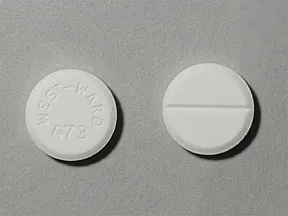
Image result for prednisone
Prednisone
The first medication I was prescribed was a steroid, Prednisone, to help reduce the inflammation in my small intestine. Prednisone is probably my least favorite med I have taken for Crohn's, not because the meds themselves were awful, but rather because of the side effects. First, I had "moon face," or swelling in the face (and other body parts) from water retention. This is a common side effect of Prednisone. The other side effect was the crazy mood swings. I don't remember specifics, but I do remember feeling crazy and having no control over my emotions or reactions, which for a 20-year old girl about to travel abroad for a semester, was not a fun time. The longer-term effects of these pills is osteoperosis. I had to take Prednisone for 20 weeks, starting at 20mg for 4 weeks, then dropping down the dose by 2mg every week until I reached 0, which was almost the entire time I was living in Salzburg.

Pentasa (mesalamine)
Total cost: $3,257 / 30 days
Cost with insurance: $70 / 30 days
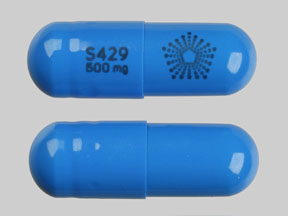
Image result for pentasa
Pentasa
The other medication I took when I was first diagnosed was Pentasa. I was prescribed two bright blue pills, three times per day. From 2008 until 2012, I took those pills with me everywhere I went to take at 8am, 2pm, and 8pm. I had to set an alarm on my phone to remind myself that it was drug time, though about 50% of the time, I didn't have water with me when it was time to take them, so I dry-swallowed 2 big blue pills on the regular, and got pretty good at it. About a week prior to my hospitalization in 2011, my doctor increased my frequency of these lovely pills to 4 times per day (8 pills each day!)

Bifera (ferrous sulfate)
Total cost: $137 / 30 days
Cost with insurance: $70 / 30 days
Image result for ferrous sulfate
Bifera
I've always had slightly low iron counts, and have been on and off iron pills since I was a teenager. My iron levels kept getting lower and lower - I was sometimes so anemic that I was ineligible to swim in college and had to do a lot of work to get my iron levels back up. Regular iron pills didn't always work for me, so my doctors would prescribe Bifera, a prescription-strength iron supplement.

Entocort (budesonide; steroid)
Total cost: $1,795 / 30 days
Cost with insurance: $15 / 30 days

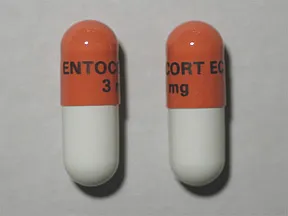
Image result for entocort
Entocort
My first minor flare after my diagnosis happened around 2010. Instead of hopping off to the hospital, my doctor wanted to try a steroid, but not Prednisone, since it is so nasty. These little guys are specially formulated to dissolve as they pass through the small intestine, so they release the medication right where it is needed for Crohn's disease. Of course, doctors always prescribe 3 pills per day (all at once) for maximum effect.

Mercaptopurine (6-MP)
Total cost: $98 / 30 days
Cost with insurance: $0 / 30 days
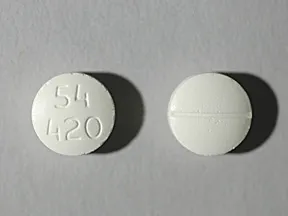
Image result for mercaptopurine
Mercaptopurine
Next came the more intense drugs. After my first hospitalization in 2011, my doctor first added in Mercaptopurine, or 6-MP, a chemotherapy drug also commonly used to treat Inflammatory Bowel Disease (Crohn's or Ulcerative Colitis). The scary possible side-effects of this medication luckily haven't affected me to this point. I'm still taking it to this day, though on double the dose I started on in 2011 (it was doubled after my second hospitalization in 2013). The one side effect I have really experienced has only been observed in my routine blood work, with some slightly elevated liver levels, though nothing to be too worried about (yet).

Ferric Gluconate (IV iron supplement)
Total cost: $340 / infusion
Cost with insurance: $0 / infusion
Image result for ferric gluconate iv
Sodium Ferric Gluconate
In 2011, not long after I stared grad school in San Diego, my iron levels were significantly lower than normal (me: 8.7; normal: 11-14; below 9 is critical - no wonder I was so tired!) I started seeing a Hematologist at Sharp HealthCare (Dr. Andrew Hampshire), who prescribed me an iron infusion, since my iron pills clearly weren't working, but we didn't want to go too extreme with a blood transfusion, unless it was necessary. In 2011, I received three iron infusions over the course of three weeks; then in 2012, I received two additional infusions over two weeks when my iron levels were too low again.

Humira (adalimumab; biologic)
Total cost: $2,523 / 28 days
Cost with insurance: $0 / 28 days (with prior authorization)
Image result for humira
Humira
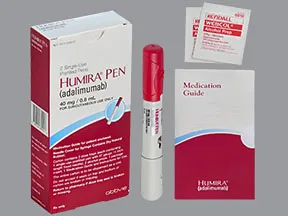
In 2012 after a test showing my small intestine had formed a fistula, my doctor wanted to increase the intensity of the medications, and recommended I start a biologic medication. These are the ones you see advertised all the time on TV comercials: Humira, Stelara, etc. He gave me the choice between Humira and Remicade to start. Humira meant I could still take the medications at home on my own, but would have to give myself a shot every two weeks. Remicade, on the other hand, was only every 8 weeks, but I would have to go in to a medical office for a 3+ hour IV. At that time, I elected to go with Humira. Kevin really enjoyed giving me those shots every other Saturday, so I let him do that when he was home, because I hated it. I would rotate my shots from right leg to left leg to left stomach to right stomach, then start that rotation again. After my surgery in 2013, my doctor decided to keep me on Humira; she felt that the reason I had not reacted as well was because my disease was too far progressed. With the major issues removed by surgery, I was able to stay on Humira in remission for almost two more years.

Remicade (infusion; biologic)
Total cost: ~$18,000 / 8 weeks
Cost with insurance: ~$1,500 / 8 weeks (with prior authorization)

Image result for remicade
Remicade (IV)
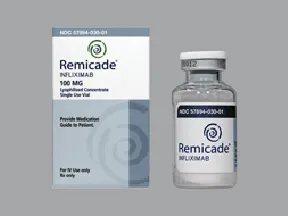
Once it was clear that the Humira wasn't working anymore, my doctor originally prescribed me Entivyo, but my insurance company denied the prior authorization, saying that they wanted me to try Remicade first. So here we are. Every 8 weeks, I receive an infusion of Remicade, a 3+ hour procedure, which typically takes place in an infusion center, but since moving to Las Vegas, I have been lucky enough to get a home infusion - a nurse comes to my house, sets me up, mixes the meds, and hangs out with me for 3 hours. The most frustrating part of this whole process has been the prior authorization process. Everyone (doctors, insurance company) has been really slow about getting everything approved, something that has to happen once per year AND every time I move (which has happened a lot in the past 16 months...)

Biologics, Mercaptopurine, and steroids all decrease the immune system, so the main side effect I have from all of these medications is secondary infections... most recently including Shingles, because instead of 30, my body thinks its 75. This drug cocktail serves as a strong reminder that there is no cure for Crohn's disease. All of these medications are designed to keep the disease at bay, but can loose their effectiveness without warning.

Let's find a cure for Crohn's!
This year, I am once again taking part in Team Challenge, participating in the Lake Tahoe Triathlon at the end of August for my 10 year anniversary of being diagnosed. You can support my fundraising efforts here.

----


Stay tuned for Part 4: Doctors